Odoo vs competitors: the ERP comparison for 2026
Comparison tables make every ERP look capable. Your business reality is harder to please. This is an honest look at how Odoo compares to SAP, Microsoft Dynamics, Sage, Zoho, ERPNext, and Teamleader, so you can see where each one fits, and where it stops.
One thing up front: there is no single best ERP. There is the one that fits your size, your processes, and where you are heading. Here is where Odoo lands against each.
Odoo vs SAP Business One
SAP Business One is a proven ERP for companies with the budget and the timeline for a large, structured implementation. Its strength is depth for complex, sizeable operations. The trade-off is cost and pace: projects run long, and changes often need a consultant. Odoo reaches go-live faster and lets an administrator adjust fields and reports with Studio, at a lower total cost of ownership. For most mid-market companies, Odoo covers the same ground with less overhead. Read the full Odoo vs other ERP comparison.
Odoo vs Zoho One
Zoho One gives you a broad suite of apps at a low price, which works well for small teams that mainly need CRM and light tooling. The catch is integration: the apps are separate products, so a sales order does not always flow cleanly into inventory or accounting. In Odoo there is nothing to integrate, it is one data model, so what you enter in Sales is the same record in Inventory and Accounting. If your processes are connected, that difference matters.
Odoo vs Sage
Sage has a long track record in accounting and payroll, and many companies run Sage 50 or 200 reliably. The limits show on the digital side: it is less web-native, and e-commerce or mobile access often means bolt-ons. A forced move from Sage 50 to 200 can also be costly. Odoo is fully web-based and integrated end to end, which is why companies outgrowing Sage often look at it. Sage remains solid where accounting is the whole story; Odoo fits when you want one connected platform.
Odoo vs Microsoft Dynamics 365 Business Central
Dynamics 365 Business Central is a strong fit for organisations already deep in the Microsoft ecosystem. Its licensing, though, is layered: Team Member, Essentials, and Premium tiers, with manufacturing and advanced features on the higher plans. Customising a report typically needs a certified developer. Odoo keeps pricing simpler and lets your team adapt PDFs and views without code. If you are weighing the two, the deciding factor is usually how much you value the Microsoft integration versus flexibility and cost.
Odoo vs ERPNext
ERPNext is a capable open-source ERP, a fair choice for smaller businesses with in-house technical skills. Odoo offers a broader module ecosystem, a more polished interface, and a far denser partner network, especially in Belgium. Both are open source; the difference is the ecosystem and support around them. See the full Odoo vs ERPNext comparison.
Odoo vs Teamleader
Teamleader is a Belgian favourite for small service businesses: quotes, CRM, invoicing, and time tracking in a clean package. It is genuinely good at that. The glass ceiling appears when you add inventory, manufacturing, traceability, or multiple entities, which Teamleader is not built for. That is the point where companies move to a full ERP. Migrating is routine work for us: we export your customers, invoices, and products, clean them up, and get you running on Odoo in a few weeks. See how we migrate to Odoo.
How Odoo pricing compares
Odoo Community is free and open source. Odoo Enterprise is a per-user subscription with all apps included, which keeps costs transparent compared to systems that bill modules and business objects separately. But licence price is only part of the total. Implementation, hosting, support, and how well the system fits your processes decide the real cost over time. A clear partner shows you all of it up front.
Descubre lo que Odoo puede hacer por tu empresa.
Una charla inicial para ver si encajamos bien y una demostración adaptada a tus procesos.
More posts like this
4 min read
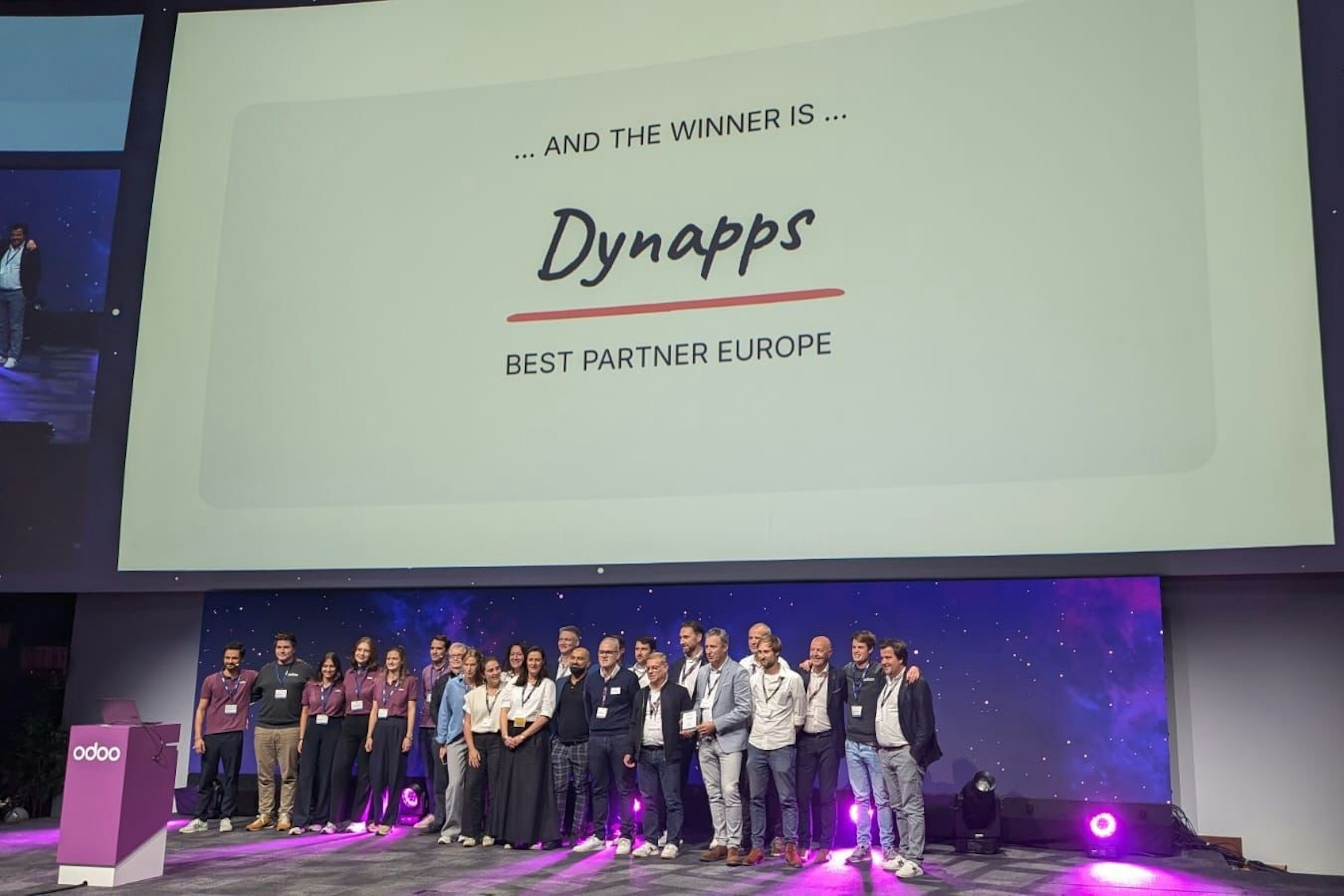
Dynapps named Best Odoo Partner in Europe
At the Odoo Experience Days in Brussels, Dynapps won the title of Best Odoo Implementation Partner in Europe, with former CEO Karel Hendrickx and the team collecting the award on 2–4 October 2024.
3 min read
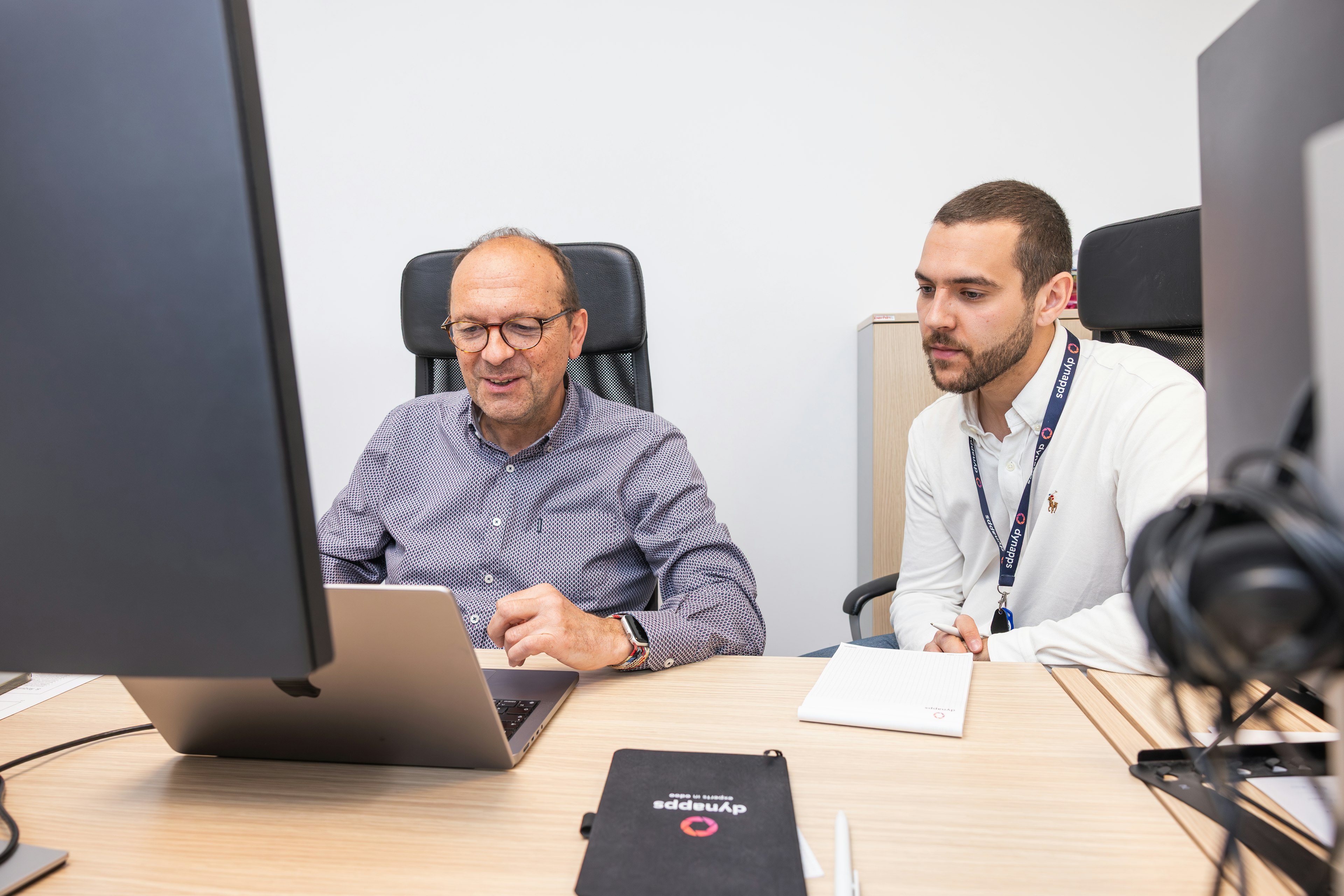
Dynapps recertified to ISO/IEC 27001:2022 with zero non-conformities
Dynapps holds the ISO/IEC 27001:2022 certificate for its information security management system across its Belgian and Dutch entities. The January 2026 recertification audit closed with zero non-conformities.
4 min read
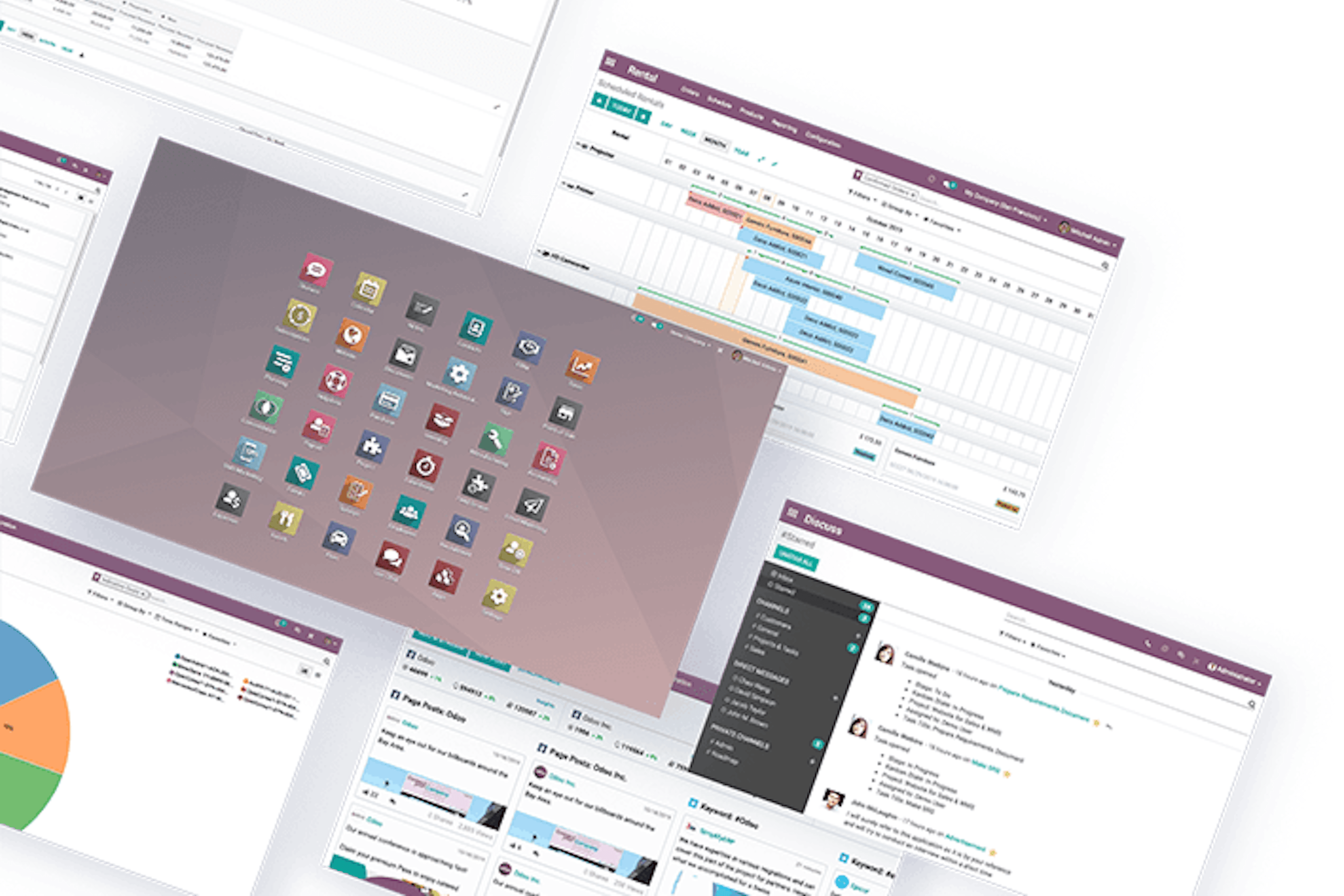
ERP vs CRM: what is the difference?
In a competitive market, businesses lean on software to operate efficiently. Two systems come up most: ERP and CRM. They serve different purposes, and they often work better together than apart.
6 min read
Odoo or Exact: which ERP fits your SME?
Choosing an ERP changes how the business runs. Odoo and Exact both target SMEs, but they solve different problems. This is a side-by-side read on functionality, flexibility, support, and where each one fits.
4 min read
Odoo vs AFAS: comparing two ERP systems built for SMEs in NL and BE
A side-by-side comparison of Odoo and AFAS, two ERP systems built for SMEs in the Netherlands and Belgium. It weighs flexibility, user-friendliness, support, integrations and cost per system.
7-minute read
Digital transformation: what it is, and how to actually do it.
Digital transformation is a worn-out phrase. Behind it sits a real question: does your business still run on disconnected tools, manual steps, and spreadsheets nobody fully trusts? This is what digital transformation actually means, why it matters, how to do it step by step, and the mistakes that sink it. Without the buzzwords.

5-minute read
Odoo vs Dolibarr: which ERP fits your business?
Odoo and Dolibarr are both open-source ERPs, but they aim at different companies. Dolibarr keeps things simple for very small organisations. Odoo goes deeper and scales further. Here is a fair comparison, so you can match the tool to where your business is heading.
5 min read
How Odoo helps you grow and manage your business
Every growing business hits the same wall: the tools that got you here stop keeping up. Separate systems for sales, invoicing, and stock start costing more time than they save. This is how Odoo helps you run and grow the business from one platform, without the overhead of a heavy ERP.

6-minute read
The benefits of using Odoo for supply chain management
A supply chain works when information, stock, and money move together. It breaks when they live in separate systems that do not talk. This is how Odoo pulls supply chain management into one platform, and where the real benefits land.
8-minute read
What does it mean to be an Odoo Gold Partner?