
Odoo for retail & wholesale.
Our practice covers specialty retailers, multi-store chains, B2B wholesalers and D2C brands. POS, webshop, marketplaces, warehouse and finance are connected from day one, so the platform holds when peak season hits and when a new buyer or marketplace joins the line-up.
Trusted by 85+ companies in your industry





Industry knowledge
We understand retail and wholesale. That's why it works.
Specialty retailers, B2B wholesalers and D2C brands look different from the outside but share the same ERP reality. Stock that sits in three places and reconciles in none. A new sales channel every year, each with its own connector. Buyers and 3PLs that change their requirements without warning. Odoo, configured for retail and wholesale, brings stores, webshop, warehouse, B2B trade and finance onto one platform that grows with the business, not against it.
Till, stock and books on one platform.
The till runs on one system, stock on another, accounting on a third. End-of-day reconciliation is a job. Standard ERP wasn't built to think in shop sessions. Configured properly, Odoo runs the POS with barcode scanning at the till, the central stock and the books on one platform, with offline mode when the connection drops.
One stock pool every channel shares.
A webshop, two or three marketplaces, and a connector layer that ages every time a platform updates. Stock has to be allocated per channel without overselling. Configured properly, Odoo runs the native webshop or connects to Shopify, PrestaShop or Shopware on top of one stock pool that all channels share.
EDI, picking and finance as one.
Retail buyers want EDI orders, deliveries and invoices, each in their own format. Receiving and picking still run on paper, so errors surface at dispatch. Configured properly, Odoo runs the EDI flows and barcode-scanner picking on the same platform as finance, with price lists and credit limits built in.
Deep expertise where it matters most.
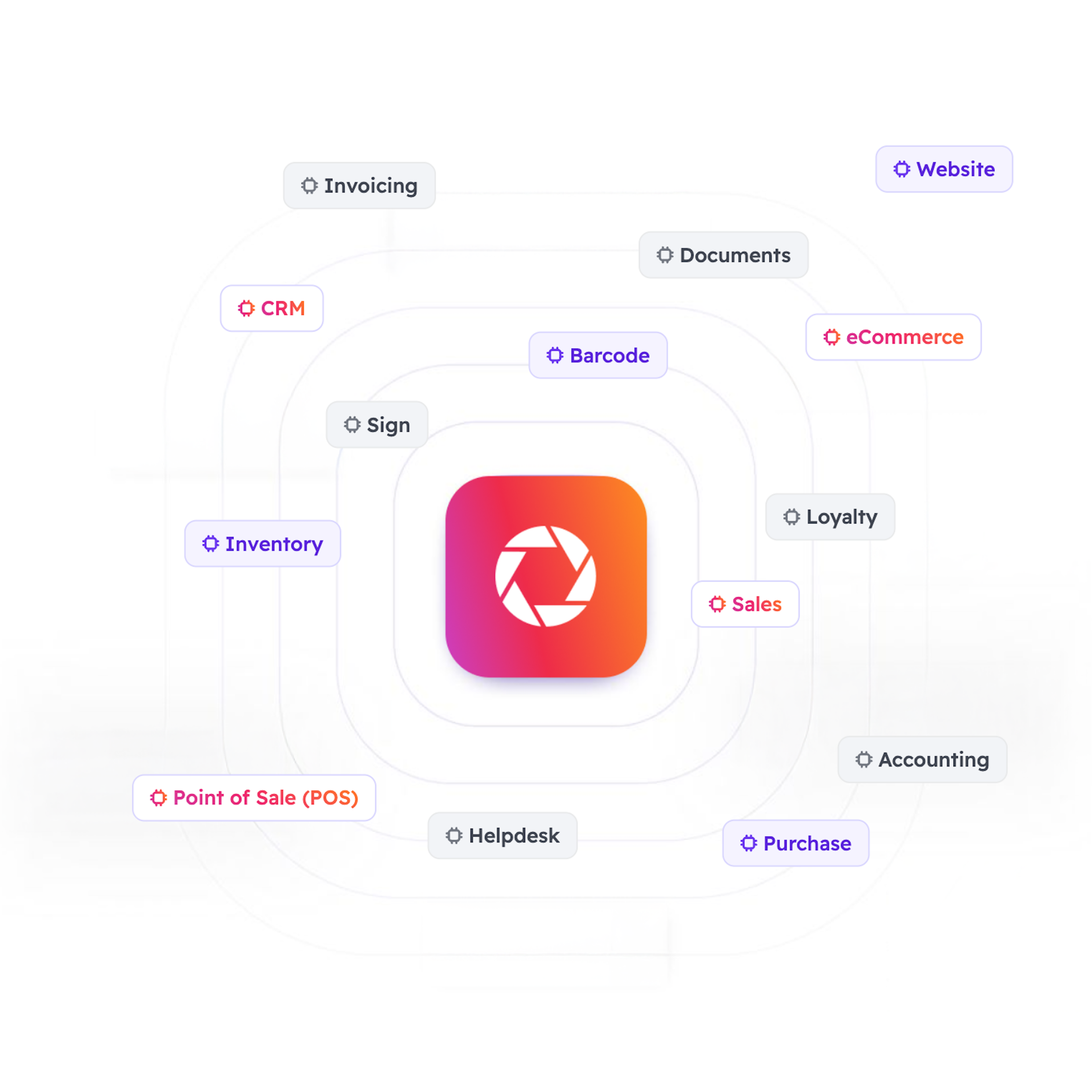
Dynapps is a leading Odoo implementation partner. We bring the configuration depth that makes Odoo work for mid-sized retailers, wholesalers and distributors: POS with barcode scanning at the till, offline mode and central stock, native e-commerce or Shopify, PrestaShop and Shopware connectors, multi-warehouse stock allocation across channels, barcode-driven receiving, picking, internal transfers and cycle counts on the warehouse floor, EDI to retail buyers and 3PL partners, three-way matching, B2B portals with customer-specific price lists, and POS-to-accounting reconciliation that doesn't drift, all on top of standard Odoo.
A proven approach and dedicated team.
End-to-end Odoo solutions, from the first conversation to ongoing optimisation.
Discovery
We map your channel mix, your stock flows and your finance close alongside your goals and pain points. We identify quick wins and define a realistic implementation roadmap.
Configuration
We translate your needs into one platform. Workflows, data structures and integrations configured around how you actually operate, then validated with your stakeholders and refined.
Go-live & training
We implement, migrate and go live with you. The solution gets tested against real channel patterns, the data migrates clean, and your teams are trained to use the platform from day one.
Continuous improvement
We keep improving as you grow. New marketplaces, new EDI partners, new stores, new B2B segments as you expand. The platform evolves with the business, not in spite of it.

Our success stories
Real results in retail and wholesale.
- Retail & wholesale
Retail & wholesale
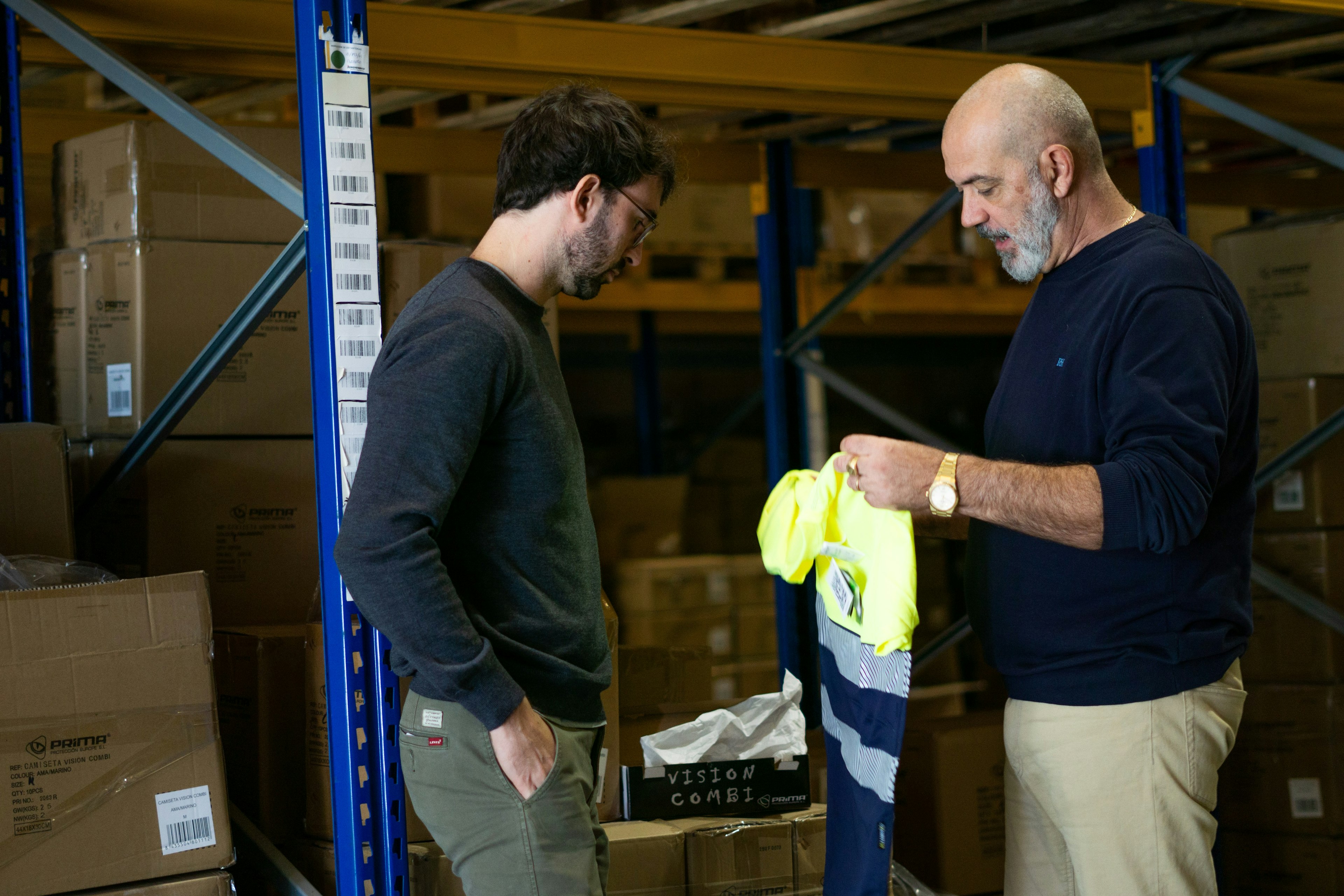
One Odoo backbone for a B2B safety distributor, with 95% of orders flowing through the web shop
A Spanish B2B distributor of high-visibility safety gear moved off a custom legacy system onto Odoo. A bulk-order grid on standard e-commerce now carries 95% of its orders.
- Retail & wholesale
Retail & wholesale
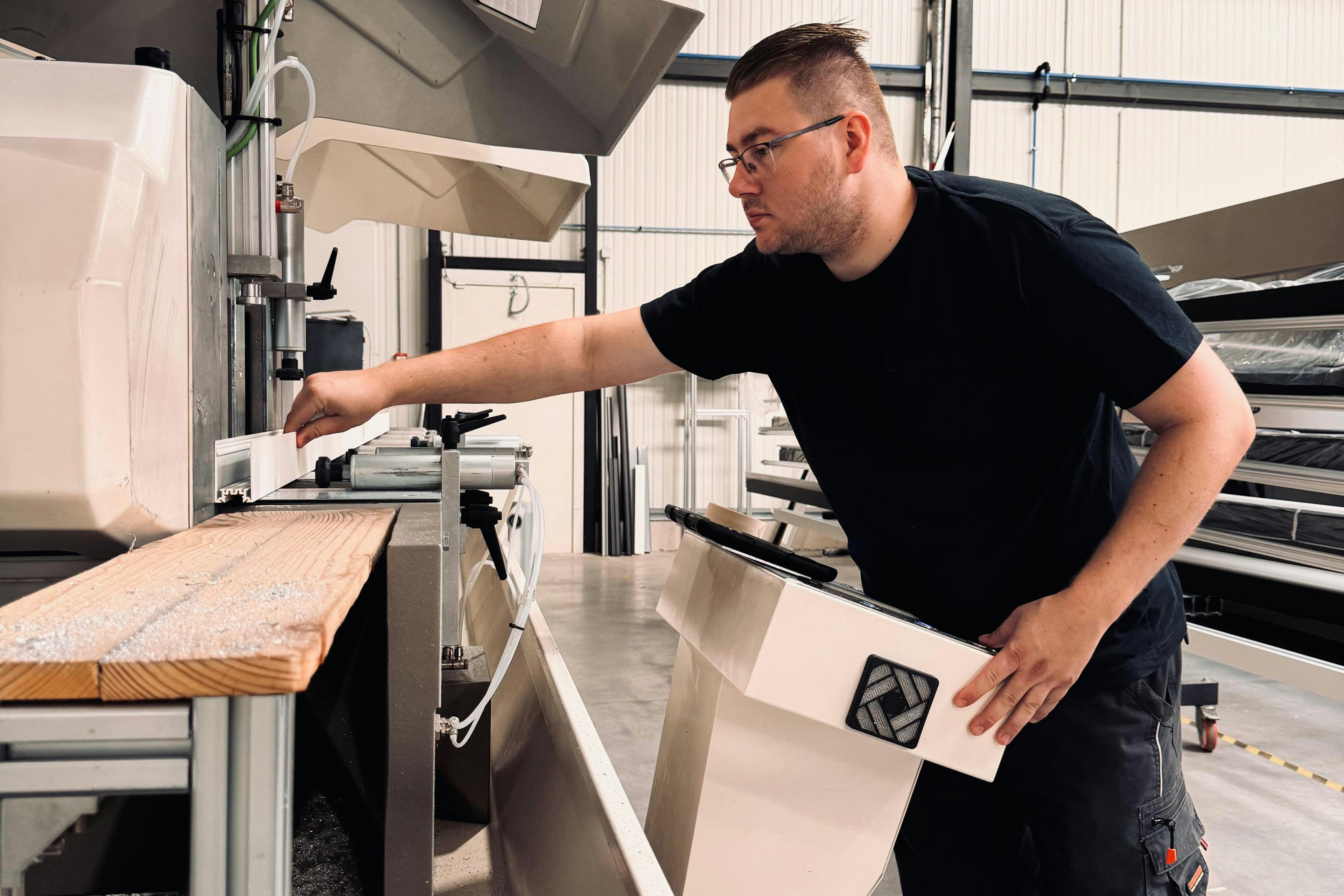
One Odoo platform: from the POS to the field-service tablet
When their incumbent ERP reached end of life, this 60-year Belgian electrical retailer moved counter sales, inventory, accounting and on-the-road service onto one Odoo backbone with the Dynapps Retail Module.
- Retail & wholesale

Retail & wholesale
One Odoo platform across three webshops and fourteen markets
Dutch van-accessories specialist, three companies, 14 European countries from one warehouse in Veghel. Replaced three ERPs and three middleware components with one Odoo platform across back office and webshops.

The collaboration with Dynapps is very personal; they are experienced individuals with great technical knowledge.
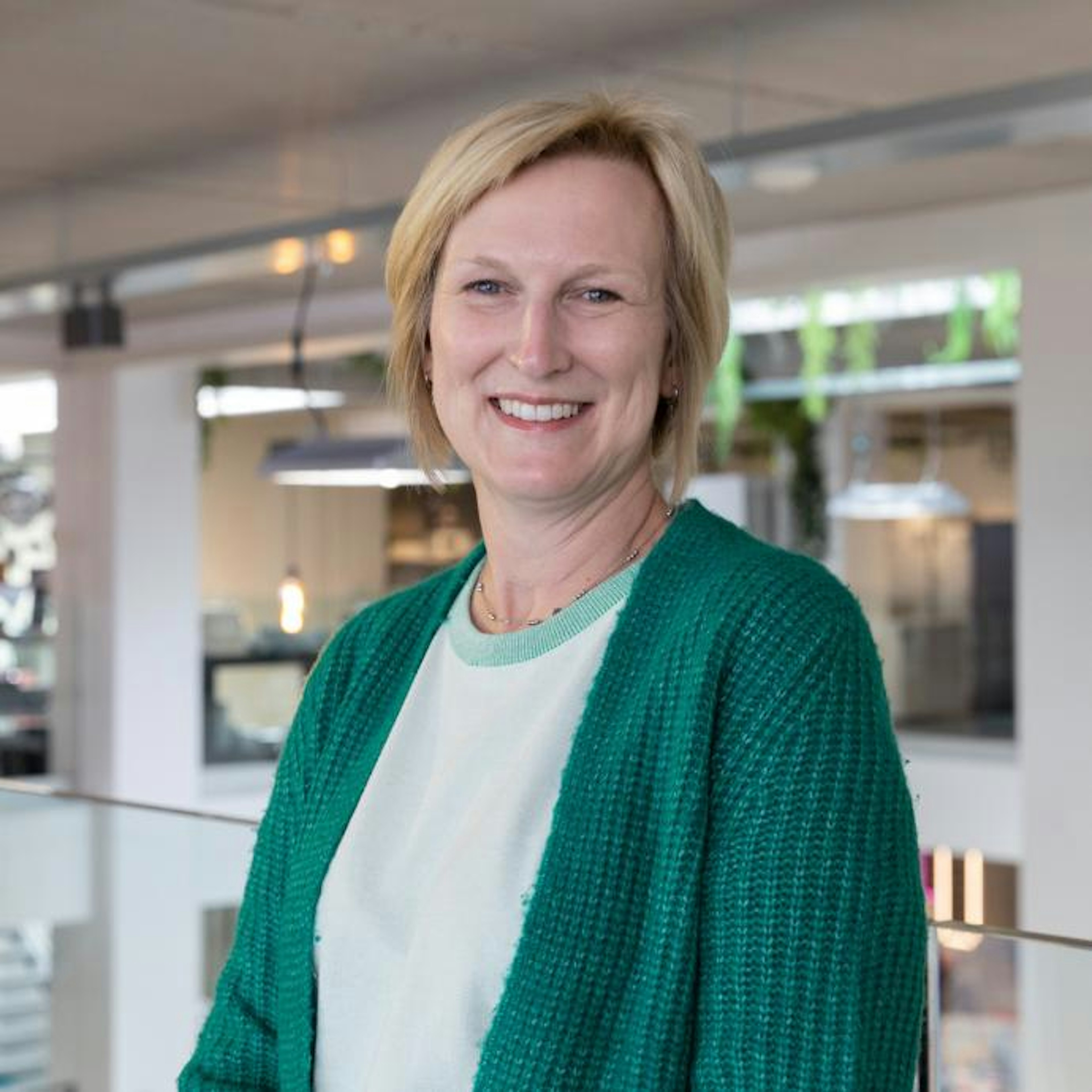
Conny Van Ascche
Owner/Managing Director at Elektro Van AsscheIndustry challenges
Where it usually breaks.
Replacing a legacy ERP
The ERP that built the business now holds it back, a 10 to 20-year-old SAP B1, Exact, Navision, Sage or custom system. It now needs six months to onboard a new buyer or launch a new marketplace.
Untangling disconnected systems
POS in one system, webshop in another, marketplace and EDI in middleware, finance in a third. Nobody trusts the closing numbers. A technology landscape nobody designed, built up channel by channel.
Scaling for the next phase of growth
The busines is ready the grow, the infrastructure is not. PE-backed trajectory, new markets, acquisitions, more stores, more buyers, more marketplaces. Administrative overhead becomes a drag on growth.
Recovering a failing Odoo
Already on Odoo, still not getting what was promised. Implementation stalled, original partner gone. The marketplace connector lags, POS-finance reconciliation breaks monthly, and EDI mappings fail every time a buyer updates their spec.
At a glance
Dynapps in numbers.
A few metrics that illustrate our scale, experience and reliability as your Odoo partner.
Gold
Odoo partner worldwide
85+
references in retail
900+
references worldwide
280+
Odoo experts
Everything you need to know about Odoo for retail and wholesale.
Can't find the answer you're looking for? Please reach out to us.
Odoo retail ERP runs POS, e-commerce, inventory, purchasing and finance on one platform, so brick-and-mortar, webshop and warehouse share the same stock and customer record. For wholesalers, EDI and customer-specific price lists sit on the same model.
Yes. Odoo connects POS, the webshop and marketplace listings to one stock pool, so a sale in the store, on the website or through a marketplace reduces the same inventory in real time. Order management decides per channel which warehouse fulfils, supports click-and-collect and ship-from-store, and feeds returns back to the same SKU and customer record. The work is the channel rules: which warehouse ships which order, how returns flow back, where pricing differs. Decided before go-live, not patched in after.
Yes. Odoo POS deploys per shop on a tablet or desktop, syncing to the central Odoo instance with offline fallback when connectivity drops. Each store runs its own till session, cash count and end-of-day Z-report, while inventory, loyalty, gift cards and returns roll up centrally. Per-store price lists and promotions are set in the back office, and barcode scanning at the till keeps checkout fast on the same stock record. For a chain, the work is the rollout plan, the master data and the staff training, not the software.
Through a sync connector. Products, prices, stock levels, orders and customers move between Odoo and Shopify or other tooling near real time, so the webshop keeps selling while Odoo runs the back office. Odoo native e-commerce is the simpler architecture when you want one front office and one back office. The choice depends on which platform owns the catalogue and the customer experience, decided in blueprint, not treated as a connector problem after the fact.
Yes. Odoo handles EDI with retail buyers and 3PLs through EDIFACT and X12 message types (ORDERS, ORDRSP, DESADV with SSCC, RECADV, INVOIC, PRICAT), plus Peppol BIS for e-invoicing. These map to Odoo sales orders, deliveries, GS1 GTIN and EAN barcodes, and supplier invoices, with three-way matching reconciling order, receipt and invoice. The setup is rarely the protocol. It is the per-buyer message variant, since each retailer demands its own dialect of the standard.
Through one stock model across stores, warehouses and the webshop. Odoo allocates stock per warehouse based on customer postcode, product availability and shipping cost, with FEFO or FIFO picking and replenishment on min-max levels and supplier lead times. Lot and serial traceability cover end-to-end batch genealogy where the sector demands it, in food distribution, technical components or regulated goods. The discipline that makes this hold is the master data, the supplier hierarchies and the location structure set up before go-live, not the platform.
Yes. The Odoo Barcode app processes receiving, picking, internal transfers, batch transfers and stock counts on a phone or tablet on the warehouse floor, updating stock in real time instead of after the fact. Lot and serial numbers are scanned at the point of movement, and GS1 barcodes that carry GTIN, lot and quantity are read in a single scan with a 2D-capable scanner. At the till, the Odoo POS scans product barcodes on the same stock and customer record as the rest of the platform. The work is rarely the scanner. It is the product master, the barcode nomenclature and the location structure decided before go-live, so the right scan moves the right stock.
Yes. Odoo runs accounting on the same platform as POS, e-commerce and purchasing, so POS sessions and Z-reports reconcile to the ledger without a separate export. Peppol BIS e-invoicing is native and mandatory in Belgium, with rollout under way in France and other EU markets. For Spain, Odoo's localisation addresses the Verifactu invoicing requirements. Multi-entity groups consolidate across companies with intercompany flows, so month-end close stops being a manual reconciliation exercise.
Odoo runs B2B and B2C on one customer record and one stock pool, with channel-specific pricing, payment terms, credit limits and tax treatment. B2B customers log into a self-service portal showing their negotiated price list, real-time stock, quick reorder from order history and credit balance. B2C buyers see the public catalogue and standard prices. Account managers see the same customer in CRM with quotes and margin. The make-or-break is the customer hierarchy and price-list model decided in blueprint, not the technology.
A return started in store, on the webshop or through a marketplace creates an RMA (return authorisation) linked to the original order, the customer and the SKU. Returned stock goes to a quarantine location for inspection, with disposition rules deciding what returns to sellable inventory, what goes to clearance and what is scrapped. Refunds and credit notes post to accounting automatically, and marketplace returns arrive through the connector with the platform reason codes intact. Returns reporting rolls up by SKU, channel and supplier, the data you need to push quality issues back upstream.
Yes. Take-overs of underperforming Odoo retail and wholesale setups are a recurring intake pattern. We start with an assessment of the data model, the customisations, the channel integrations and the master data quality, then decide what stays, what gets refactored and what is rebuilt cleanly. Common findings are product master drift between channels, broken marketplace connectors, EDI mappings that no longer match the buyer spec, and POS-to-accounting reconciliation that breaks monthly. We stabilise first, then add new capability. Dynapps remains an Odoo implementation partner. We bring the discipline that decides whether Odoo holds up in production, not a separate product.
Turn your retail or wholesale operation into an Odoo platform that fits.
Talk to our experts. They will listen to how you work today, show you what is possible with Odoo, and shape a concrete plan together with your team.