The platform is right. The implementation is not.
Recovering an Odoo that is not delivering is a different kind of project than a fresh start. It means reading what was already built, understanding what went wrong, and making honest calls about what to keep and what to rebuild. The companies that get it right do not rip it out and start over. They fix the build, not the platform, and get Odoo delivering what it was meant to.

ISO 27001
certified
900+
customer references
280+
Odoo experts
05
countries
Fixing the Odoo you have without starting from scratch.
You chose Odoo for good reasons. But the implementation did not deliver: the original partner moved on, the build never matched the business, or the project stalled before it was finished. The challenge is not whether Odoo was the right call. It is getting the platform you already invested in to finally do what it was meant to.
It runs as configured, not as you need it.
The system runs, but it does not fit how the business actually works. Workarounds have crept in to cover the gaps. People keep parallel spreadsheets because they do not trust what the system tells them. What was promised in the demo never quite arrived in production.

The partner who built it is gone.
The original partner has moved on, lost interest, or stopped responding. Change requests sit unanswered. Nobody fully understands the customisations that were made, because the people who made them are not around. Every small fix feels risky, because no one can say what it might break.

Stuck, and starting to blame the platform.
Going back is not an option; the old system is gone, or worse. Going forward feels blocked, because the current build cannot carry the business. Confidence in Odoo itself starts to erode, even though the platform is not the problem. The temptation to rip it all out and start again grows, expensive and rarely necessary.

We take it over and put it right.
The right partner does not start by ripping everything out. We begin with an audit, the configuration, the customisations, the integrations, the data, and assess what is worth keeping and what needs to be rebuilt. We stabilise day-to-day operations first, so the business keeps running while we fix the foundation. Then we get the platform delivering what it was meant to, this time built to last.
What this looks like in practice
Odoo projects we got back on track.
- Retail & wholesale
Retail & wholesale
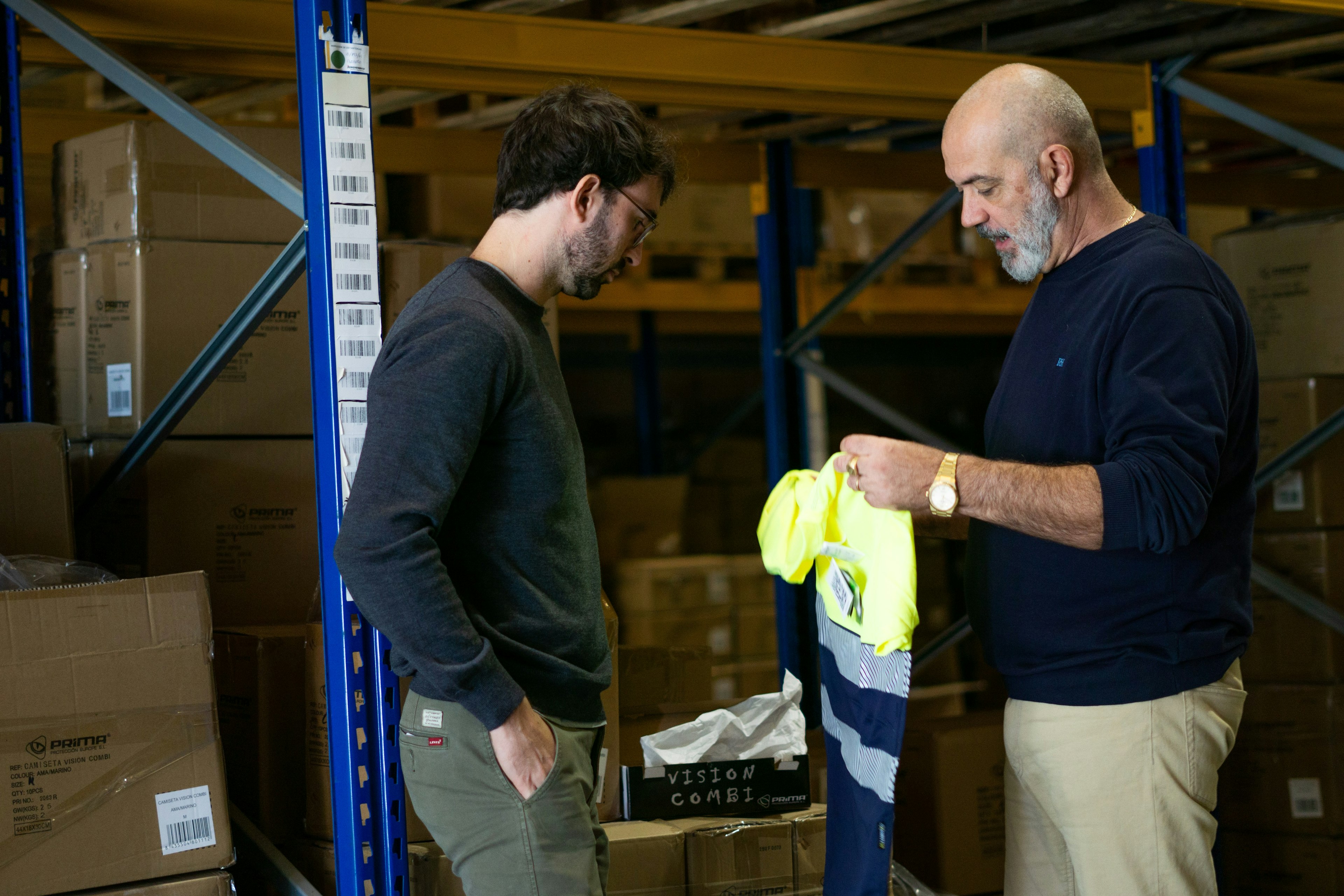
One Odoo backbone for a B2B safety distributor, with 95% of orders flowing through the web shop
A Spanish B2B distributor of high-visibility safety gear moved off a custom legacy system onto Odoo. A bulk-order grid on standard e-commerce now carries 95% of its orders.
- Energy & utilities
Energy & utilities
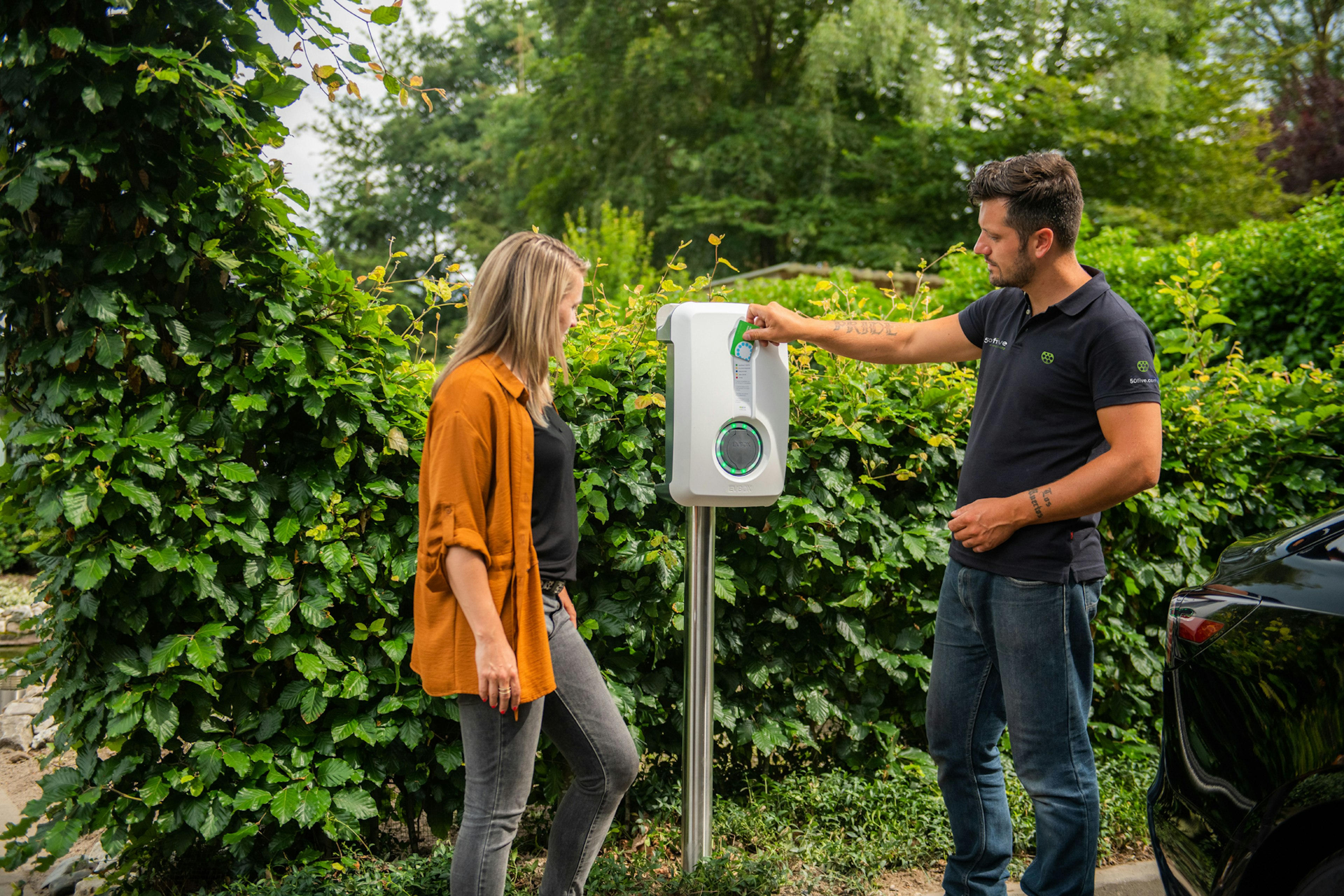
One Odoo backbone, twelve European countries, one platform
50Five carried one Odoo platform from a 2016 Dutch smart-home distributor to a B2B EV charging operator running 600,000+ charge points across twelve European countries, without forking the system.
- Manufacturing
Manufacturing
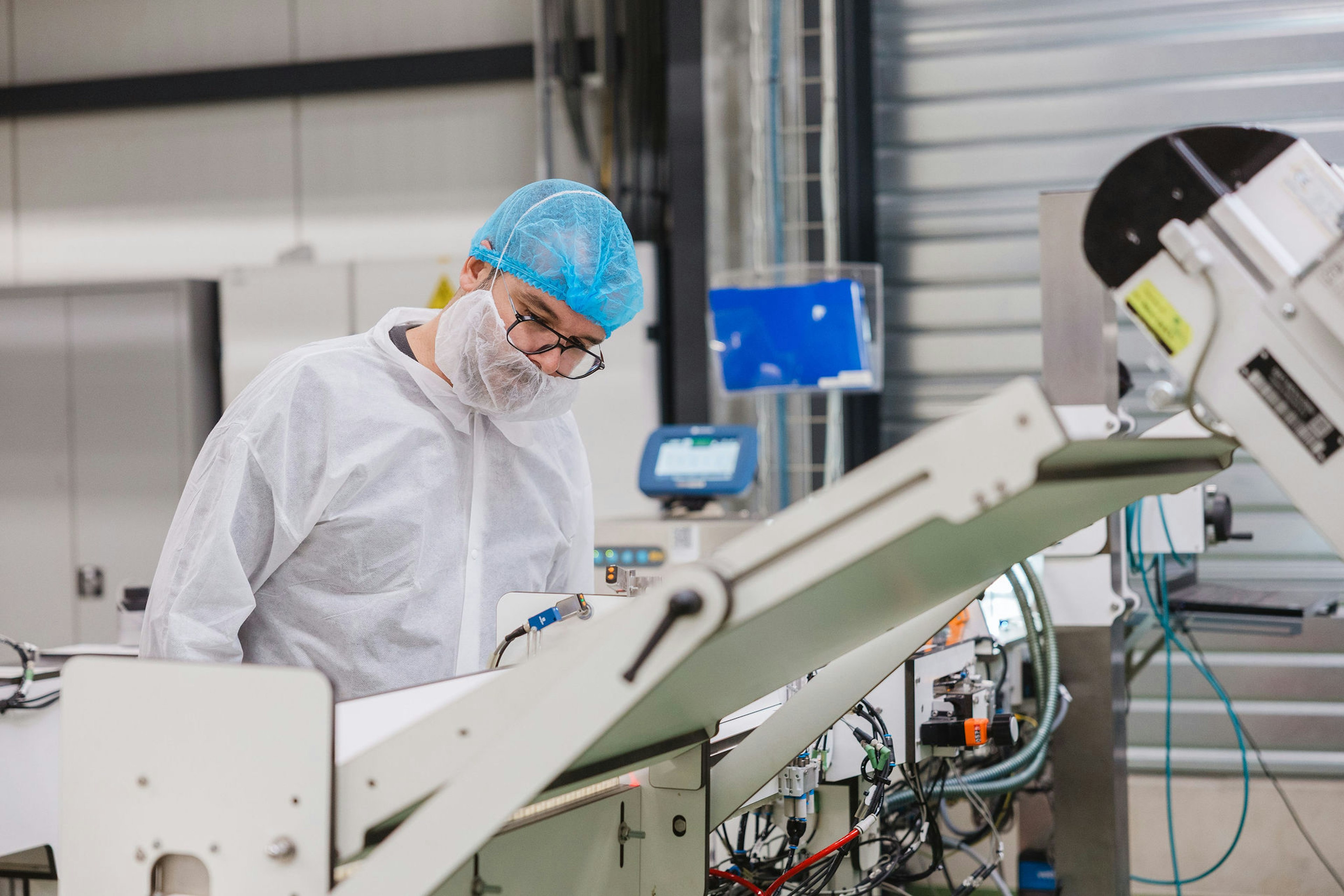
One Odoo platform for medical-device manufacturing, every lot traceable in real time
Belgian maker of single-use sterile medical devices, 11 production lines running 24/7. Replaced an aging ERP, Excel workbooks and paper trails with one Odoo platform for regulated manufacturing.
Related challenges
Other patterns we see often.
Sound familiar?
Replacing a legacy ERP
A 10-to-20-year-old system at the centre
of operations, too critical to touch.
Consolidating operations
Multiple entities, multiple systems, one company that cannot see the full picture.
Untangling disconnected systems
Production in one system, CRM in another, finance in a third. Nobody trusts the numbers.
Scaling for the next phase of growth
The business is ready to grow. The infrastructure is not.
Same challenge, different reality
How this pain shows up across industries.
An under-delivering Odoo is universal across industries. The shape it takes is not. Same root, different symptoms.
Logistics
Multi-warehouse, multi-country, one operational backbone.
Retail & wholesale
Brick, click, and warehouse. One stock. One view.
Manufacturing
Production floor, finance, and supply chain in the same language.
Food & beverage
The full food and drink chain, traceable from raw material to shelf.
Pharma & biotech
Batch traceability, GxP, and quality, ready for any audit.
Professional services
Projects, people, and P&L, running off one model.
Energy & utilities
Installers, operators, producers, cooperatives. Each on Odoo, shaped to fit.
Construction
Projects, sites, and subcontractors, margin always in view.








The questions before you commit.
Taking over an Odoo that is not delivering raises real questions about whether it can be saved, what it costs, how long it takes, and whether to start over instead. Here are the ones we hear most, answered straight. If yours is not here, ask us.
In most cases it can be saved, and starting over is rarely the right answer. The platform is almost never the problem; the build is. We begin with an audit to see what is sound, what needs rebuilding, and what should be dropped. Sometimes a focused fix is enough. Sometimes parts need rebuilding properly. A full restart is the exception, not the default, because the investment you have already made in Odoo usually still has value worth keeping.
We start by reading the system, not rebuilding it. The audit maps the configuration, the customisations, the integrations, and the data quality, so we understand what was done and why before we change anything. This is a different skill set than a fresh implementation: it takes reading someone else's technical decisions and making honest calls about what to keep. We stabilise day-to-day operations first, so the business keeps running while we work on the path forward.
Usually fixing is cheaper, which is why we audit before we recommend anything. The audit tells you honestly what is salvageable and what is not, so the decision rests on the actual state of the system, not a default assumption. Where parts are sound, we keep them. Where they are beyond repair, we rebuild only those. You pay to fix the build, not to throw away an investment that still has value.
It depends on the state of the system and how much needs rebuilding versus stabilising. A focused stabilisation, getting the urgent problems under control, can take a few weeks. A fuller rebuild of the parts beyond repair takes longer. The audit gives you a realistic timeline before you commit, not after.
Yes, and it is one of the most common situations we step into. We do not need the original partner to hand anything over. The audit reconstructs how the system was built from the system itself, the configuration, the code, the data, so the knowledge that left with the previous partner is rebuilt and documented. From there, the customizations are no longer a mystery only one outside party understood.
A fair question after a bad experience. Two things make the difference. First, Run & Evolve: every engagement transitions into an ongoing support model after go-live, so the relationship does not end when the project does. Second, focus: we do Odoo and only Odoo, and we build to Odoo standards so the system stays maintainable and upgradeable, not dependent on one person's undocumented work. The goal is a system you are not locked into, with a partner who stays.
A first conversation to understand where things stand: what was built, what is not working, and where it hurts most day to day. We tell you honestly whether the Odoo you have can be recovered and what a realistic path looks like. If it can, the next step is an audit that turns that into a concrete plan. If a fresh start genuinely makes more sense, we will say so.
Ready to get the Odoo you were promised?
A first conversation about what was built, what is not working, and what it would take to put it right. An honest read from people who have taken over and fixed stalled Odoo projects before.